Project Update (Vol III) - GIDRM IV

Dear readers,
as many of you might already know, the Global Initiative on Disaster Risk Management (GIDRM) will end in October 2026. What happens to strengthening DRM in German international cooperation? The recent BMZ reform process represents a strategic shift: away from isolated sectoral approaches and towards integrated development policy that systematically links cooperation with peace, security, and resilience. At the Munich Security Conference, Minister Alabali-Radovan underlined that development cooperation is indispensable for a stable global order by addressing the structural drivers of conflict such as poverty, lack of economic prospects, and weak governance before crises escalate.
In fact, fragility, violent conflict, and crises are increasing worldwide. 52 of the BMZ’s 65 partner countries face elevated crisis risks, and according to the OECD, around 25% of the world’s population live in extremely fragile contexts. Fragility, in other words, is no longer the exception. It is the new normal. The BMZ reform argues for development action that is long-term, risk-aware, and conflict-sensitive — with peacebuilding and stabilisation as core pillars rather than afterthoughts. The reform acknowledges water scarcity, extreme events, and inadequate infrastructure as risk multipliers that exacerbate social tensions and trigger crises.
Despite German development cooperation tackling fragility in multiple ways, disaster risk remains insufficiently integrated into fragility and conflict approaches. Disasters are becoming more frequent and severe due to climate change, environmental degradation, geopolitical tensions, and socio-economic conditions. In fact, 87% of BMZ partner countries with medium to high escalation potential also face medium to high levels of disaster risk. Disaster risk, therefore, is not a side issue anymore; it is a reality across most implementation contexts. Global disaster costs (considering cascading impacts and environmental damage) now exceed USD 2.3 trillion annually (GAR 2025), and can only be contained through systematic prevention, resilient investment, and innovative financing. At the same time, the world is not on track to achieve the Sendai Framework for Disaster Risk Reduction targets by 2030.
DRM should be applied strategically to promote peace, security, and stability. Cooperation, social cohesion, and trust can be reinforced even in highly fragile contexts by linking development, peacebuilding, humanitarian action and participatory and inclusive DRM governance. Because DRM is often perceived as technical and pragmatic, it provides an entry point for embedding peacebuilding elements into development programming. Effective early warning systems, preparedness measures, resilient critical infrastructure, social protection, and inclusive governance can lower escalation risks during crises. When vulnerability is reduced and institutions remain able to act, DRM strengthens trust and state legitimacy. In this sense, DRM becomes more than risk reduction; it can become a preventive and transformative contributor to peace.
For us, 2026 is a year of consolidation, strategic anchoring, and knowledge transfer. Our focus now shifts towards embedding Risk-informed development (RID), systematically translating our expertise, tools, and partnerships developed into durable knowledge products that will continue to support GIZ’s work and strengthen RID practice in future development practice. With two new partner countries, Laos as well as Bosnia and Herzegovina, joining the GIDRM journey, our team is motivated to ensure that our final project phase leaves a strong footprint. Our vision shifts towards institutionalising what we have learned and ensuring that risk perspectives are rooted in future development planning and decision-making processes.
We are, for instance, currently developing:
-
an atingi e-Learning course on DRM allowing practitioners to explore a dynamic risk landscape, understand how hazards affect different sectors and learn how to integrate DRM into their work. Beyond the conceptual foundations, the course provides in-depth modules on Good Financial Governance and Social Protection demonstrating how sector-specific approaches can strengthen resilience while supporting sustainable development.
-
8 technical publications developed in close collaboration with the FMB Competence Centres provide practical entry points for how DRM can strengthen practices across sectors, from agriculture and food security, economic development, natural resources management and water, urban development, climate, social protection, to good financial governance. The publications contain different sector-specific risk- and resilience-related building blocks – such as guiding questions, exemplary theory of change elements, references to relevant tools and resources, etc. – that are tailored to facilitate this uptake without overburdening planning and implementation processes.
-
Complementing the technical publications, GIDRM is also developing a Rapid Screening Tool to help practitioners quickly assess whether and how DRM can be meaningfully integrated into their projects. With these products, GIDRM aims to ensure that risk considerations are embedded from the outset of project planning – strengthening sustainability, safeguarding investments, and supporting resilient development pathways across sectors.
At GIDRM, we see this transition year not as a closing chapter, but as a decisive moment to anchor risk-informed thinking firmly within German international cooperation — ensuring that risk prevention, resilience, and long-term sustainability remain guiding principles well beyond 2026.
Happy Reading,
GIDRM Team
Bosnia and Herzegovina
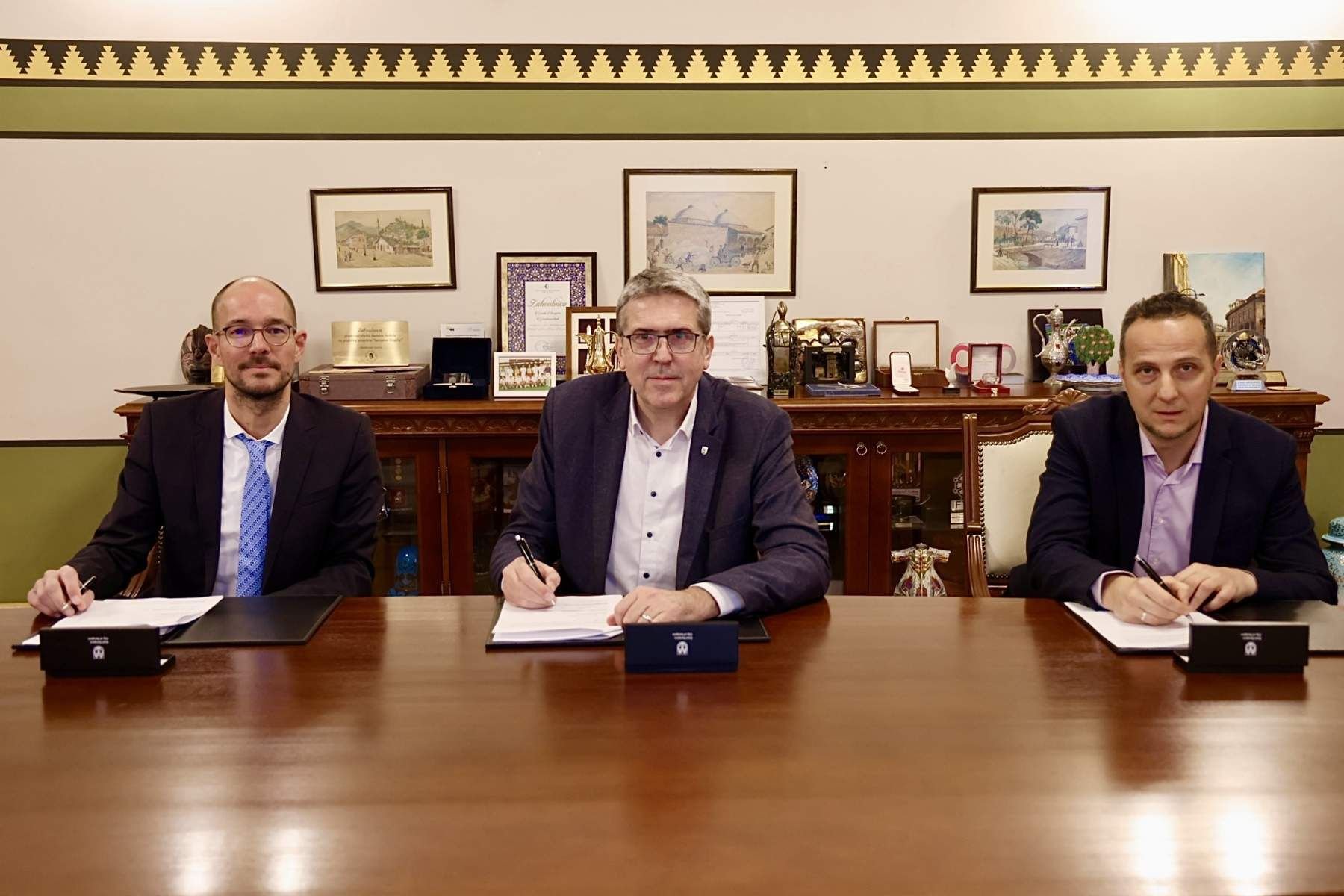
GIDRM started its engagement in Bosnia and Herzegovina to integrate DRM into sustainable urban mobility planning. The City of Sarajevo and the Ministry of Traffic of Canton Sarajevo signed a Memorandum of Understanding (MoU) with GIZ to enhance Sarajevo’s path to green resilient transport and cooperation in sustainable urban mobility focusing on climate change adaptation.
The MoU was signed between the Green Agenda: Climate Change Adaptation in the Western Balkans (WB Adapt) and the GIDRM IV project. By strengthening the climate and risk lens, the partnership aims to enhance transport planning and management in line with contemporary climate challenges, supporting knowledge exchange, training, technical assistance, and joint activities such as the European Mobility Week. The Memorandum underlines the shared commitment of the Ministry of Traffic of Canton Sarajevo, City of Sarajevo, and GIZ to develop a safer, more resilient, and sustainable transport system, with active involvement of citizens and the professional community.
© GIDRM/GIZ
A central outcome of this collaboration will be the Climate Resilience Study of Sarajevo’s Transport System, which will assess vulnerabilities in the transport network and propose measures to strengthen resilience against floods, extreme temperatures, snowfalls, and other climate-related risks. Covering five urban municipalities, the study will provide a strong foundation for the second generation of the Sustainable Urban Mobility Plan (SUMP).
Colombia
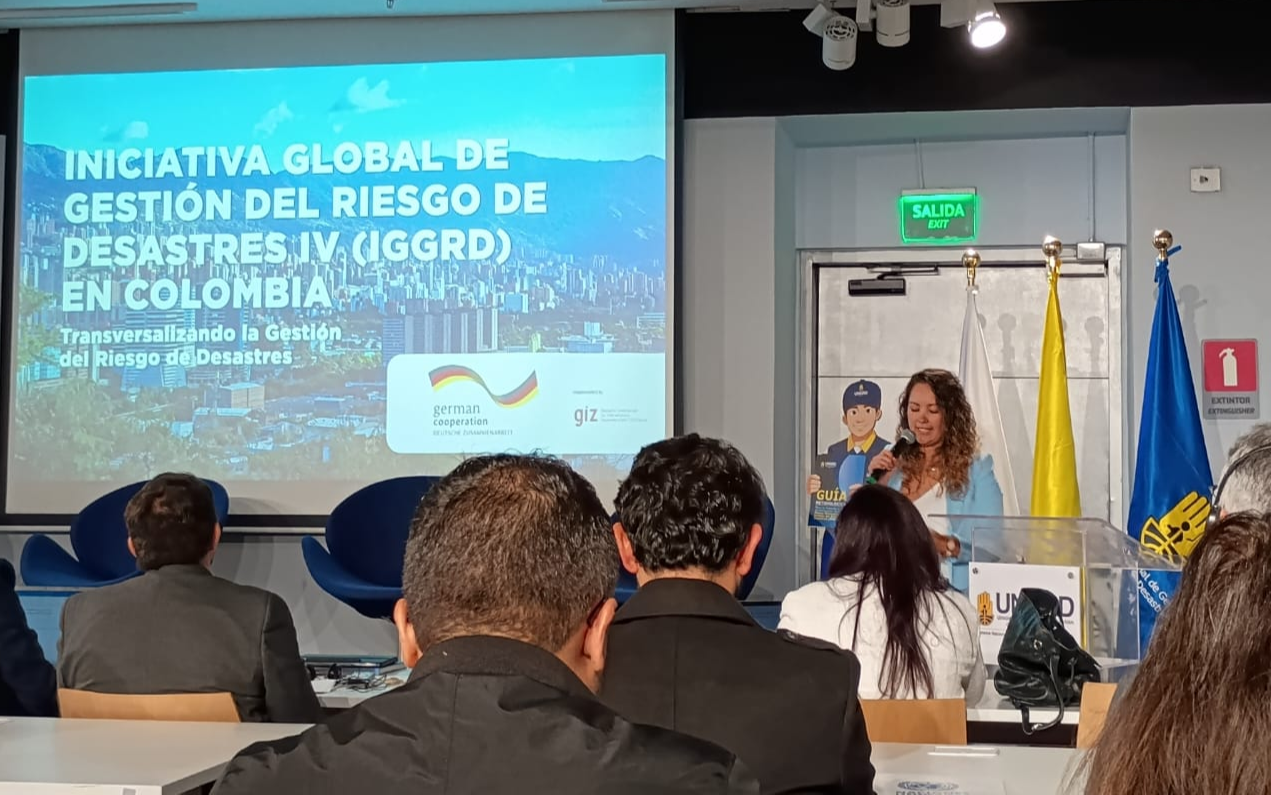
The experience of GIDRM in its work with GIZ Colombia's Green Cluster—covering biodiversity, climate, energy, mobility, rural development, and the circular economy—shows that mainstreaming DRM is not only feasible but essential for building resilience and how DRM can become a common language among projects with diverse thematic objectives. The Green Cluster brings together more than 23 projects, including bilateral, regional, and global initiatives. The challenge taken on by the GIDRM was to demonstrate that, behind this thematic diversity, there is a common denominator: all these projects intervene in territories with risk conditions that, if ignored, limit their results. But with the right approach all projects can actively contribute to reducing that risk. This is the core of mainstreaming: not adding DRM as an additional layer but enhancing all projects’ contributions to resilience
The experience of mainstreaming DRM in the Green Cluster has generated lessons that extend beyond the Colombian context and are relevant to any cooperation initiative seeking sustainable results:
- DRM adds value. Although initially perceived as an additional burden, the risk lens increases the effectiveness of nature-based solutions (NBS), technical training improves interventions, and the link between climate change and DRM broadens access to actors, information, and funding sources.
- Mainstreaming DRM does not disproportionately increase operating costs. It optimises decisions, reduces future risks, and strengthens the impact of investments.
- Timing determines impact. Integrating DRM from the outset significantly increases strategic influence. Effective mainstreaming is not an ex-post adjustment: when incorporated only at the end, its transformative potential is limited.
- Sustainability depends on mechanisms that continue beyond project cycles—such as inter-institutional working groups, joint response protocols, and collaborative financing mechanisms etc.
- Documentation and knowledge management is part of the outcome, not an afterthought. Eco-DRR (ecosystem-based disaster risk reduction) success stories, risk profiles, and strategic messages build evidence, legitimise approaches, and enable replication. This must be budgeted and planned from the outset.
- Sharing experiences and knowledge sustains impact. Developing certified DRM training, holding regional technical workshops, and creating digital knowledge management platforms are essential to preserve and disseminate learning beyond project cycles.
The SolNatura project involves local public and private actors in the co-creation of nature-based solutions (NbS) aimed at improving ecosystem resilience and protecting biodiversity in Córdoba, Huila, and Santander, three areas selected precisely due to their high climate vulnerability, diverse ecosystems, and critical water resources. The GIDRM’s contribution took the form of:
- Developing DRM profiles for Córdoba, Huila, and Santander integrating vulnerability criteria with the identification of local ecosystem and institutional capacities providing an area-specific risk baseline to facilitate analysis at different stages of the project.
- Integrating a DRM module into the virtual courses on NBS, which can be accessed by project developers, environmental technicians, spatial planners, and other professionals to build capacities in integrating the Eco-DRR approach into project cycles.
- Documenting Eco-DRR success stories, which build an evidence base for decision-makers and donors to justify investment in ecosystem approaches to risk reduction—in particular, in a context, where local evidence has historically been scarce.
- Advising on the geoportal SbN SolNatura integration of a dedicated DRM layer to spatially represent flood and hurricane risks strengthening its analytical value for spatial planning and risk-informed decision-making.
© GIDRM/GIZ
The IKI II Interface and EUROCLIMA projects have been key platforms for coordinating climate change and DRM agendas. In Colombia, there is a structural gap: although climate change intensifies threats such as floods and droughts, and DRM strengthens territorial adaptation, both systems operate with separate actors and instruments, limiting integrated resilience building. To close this gap, GIDRM supported the National Planning Department (DNP) and the National Disaster Management Authority (UNGRD) in conceptualising the Resilient Recovery Strategy, aimed at transforming post-disaster recovery into an opportunity for structural change. It also strengthened the resilience approach within the National DRM System (SNGRD) and promoted coordination between the UNDP's loss and damage methodology and national risk management instruments. Within the framework of EUROCLIMA, GIDRM addressed the disconnect between the National Environment System (SINA) and the SNGRD, formulating recommendations to integrate DRM criteria into the environmental sector and move towards more coherent climate and environmental governance.
© GIDRM/GIZ
GIDRM Colombia supported the consolidation of the National Strategy for Socio-Ecological Resilience, which adopts a dynamic and operational concept of resilience, understood as a capacity that strengthens or weakens systems through strategic decisions and interventions. The strategy is linked to the Enabling Environment for Risk-Informed Development (EE4RID) approach as both frameworks seek to integrate risk management into development decisions, with political and technical support for their sustainability. This approach aligns with the risk-based decision-making perspective promoted by GIDRM, which has provided technical support, contributing conceptual and methodological inputs throughout the process.
As part of the ambitious Cali 500 Vision for a biodiverse, resilient, inclusive, and competitive city, the municipal administration of Santiago de Cali has taken a decisive step of embedding RID into the heart of its spatial planning. With technical support from GIDRM, the city is piloting the EE4RID approach during the revision of its land-use plan (Plan de Ordenamiento Territorial – POT). At national level, the National Planning Department (DNP) is advancing a resilience strategy for socio-ecological systems under Colombia’s 2022–2026 National Development Plan. The Cali pilot demonstrates how these national ambitions can be translated into concrete city-level planning decisions. The city Cali was chosen because of its geography, being located within the Valle de Cauca. Rapid and oftentimes informal urban growth has expanded settlements onto steep hillsides, riverbanks and wetlands. Environmental degradation, inequality and climate variability combine to create a systemic risk landscape where floods, landslides, heat stress, and drought are interconnected rather than isolated events. So, what’s the plan?
- From “protecting development” to “developing with risk in mind”: Through EE4RID, Cali is reframing the narrative of risks being external to development by highlighting how land-use decisions themselves can create, transfer, or reduce risk. By applying a systemic lens to the POT revision, municipal teams are (1) recognising river basins, hillslopes, and the Cauca floodplain as structural elements of the spatial model, (2) promoting ecological corridors and buffer zones to strengthen natural regulation functions, (3) addressing high-risk informal settlements, and (4) encouraging NbS such as riverbank restoration, hillside reforestation, and wetland recovery. Rather than adding risk management as an annex, the process seeks to position the POT itself as a risk-informed development strategy.
- Building a shared risk narrative: Cali already has strong technical studies and institutional frameworks. The challenge lies in fragmentation: planning, DRM, environment, and social sectors often operate separately. EE4RID has served as a strategic convening process, bringing together the various actors to build a shared understanding of systemic risk.
- Inclusion as a core resilience strategy: The communities most exposed to risk, often living in informal settlements on slopes and floodplains, are also those least represented in formal planning. Yet they hold local knowledge and can become an indispensable voice in decision-making once participation and equity are ensured.
- Added value and the road ahead: The Cali pilot has not yet produced sweeping regulatory changes. Its added value lies in reframing the conversation: shifting from hazard-by-hazard responses to understanding the city as an interconnected socio-ecological system with ecological limits. The priority is to institutionalise this systemic risk perspective within the approved POT, strengthen inter-secretariat coordination, and expand participation, particularly among high-risk communities. In an era of intensifying climate and urban pressures, Cali offers an important insight for other Colombian cities: sustainable growth is not about avoiding risk, but about planning with it within the limits of nature and with communities at the centre.
Georgia
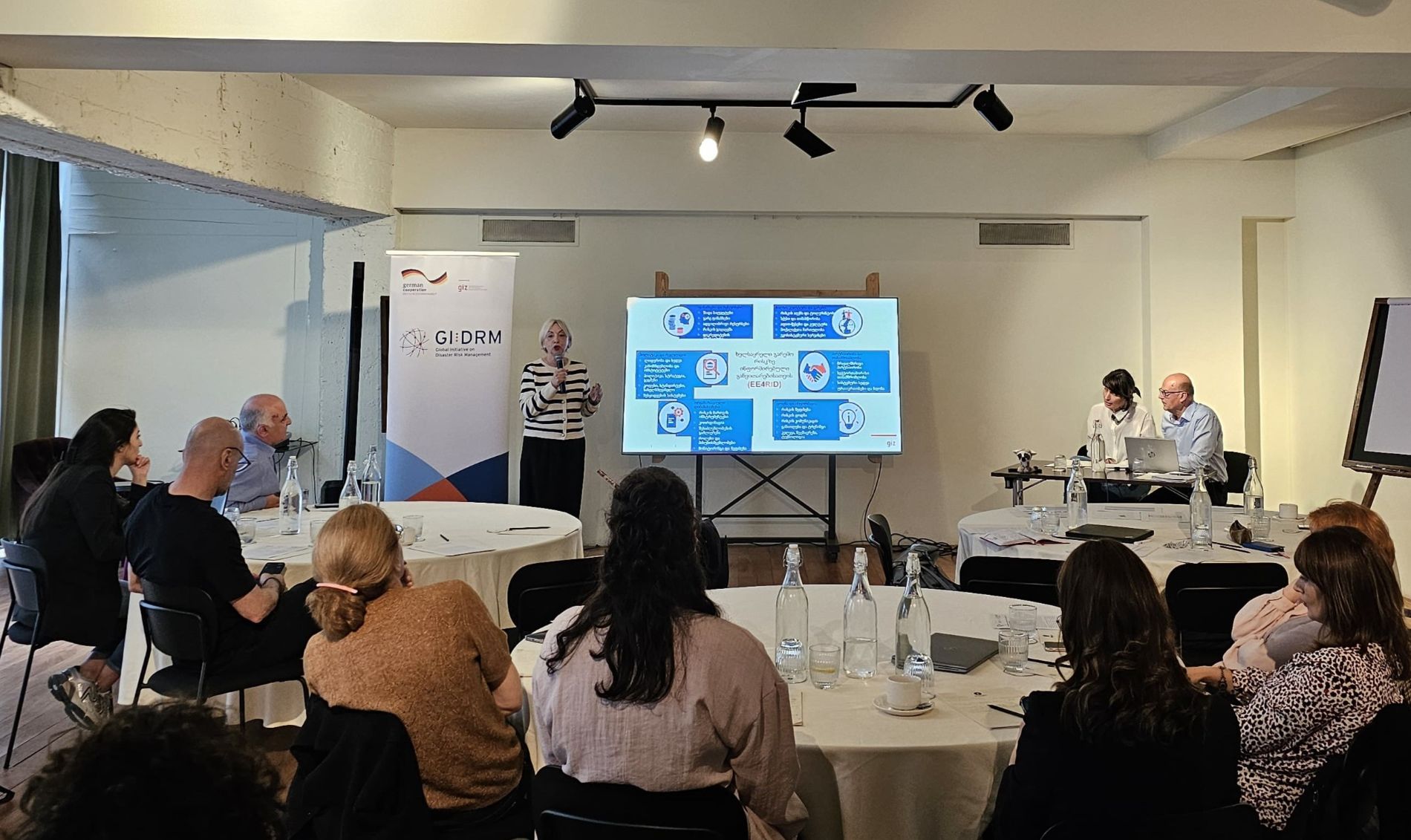
As part of the EE4RID process in Georgia, the Roundtable in Tbilisi brought together partner projects as well as national and local stakeholders. During this event, participants scrutinised the findings of the Gap Analysis and Risk Profiles for tourism, urban development, and public finance sectors, leading to a broader discussion on risk governance and its enhancement through systemic governance perspectives. Rather than treating hazards in isolation, the finalised documents now emphasize systemic and cascading risks. These consolidated profiles have now been officially integrated into the strategic planning of partner projects, ensuring a unified approach to resilience.
In cooperation with the Good Financial Governance (GFG) project, a specialised guide for integrating DRM into municipal budgets was developed. The guide is currently piloted in three municipalities selected from GFG’s eight pilots—the selection was based on their risk exposure. In selected municipalities, the annual budgets for 2026 are reviewed with a risk lens. By running this process in parallel with gender-mainstreaming protocols being developed within GFG, we are ensuring that local fiscal planning is not only risk-informed but also socially inclusive.
Our collaboration with the Sustainable Urban Development (SUD) project in the cities of Batumi and Zugdidi has produced a selection of risk-informed solutions designed to address specific urban vulnerabilities. In Zugdidi, this partnership has resulted in an updated risk outlook on flood management strategies and infrastructure needs that are considered when developing city interventions. In Batumi, the focus remains on integrating pedestrian mobility with climate resilience within the historic neighbourhood concept. This ongoing collaboration is set to culminate in the implementation of three pilots, showcasing how small-scale tactical interventions can be effectively integrated into urban development processes.
© GIDRM/GIZ
Considering the vulnerabilities of small businesses of Georgia’s tourism sector, a joint approach to creating information channels for said stakeholders was jointly developed by the VET in Growth Sectors project and GIDRM. As a first step, GIDRM developed simplified training materials specifically for small enterprise owners. These materials provide small guesthouse owners in hazard-prone regions with practical risk checklists, essential preparedness items, and emergency action plans. As a further step, the projects conducted targeted trainings in three high-mountainous regions, empowering local entrepreneurs to minimise potential damages and protect their livelihoods against the increasing unpredictability of climate-related disasters.
During 2025, active coordination was established with “Policy Advice for Climate Resilient Economic Development (CRED)” global programme, aiming to integrate CRED macroeconomic modelling results into GIDRM’s risk analysis and decision-making frameworks for managing climate and disaster risks. A key practical instrument for realising this concept is the organisation of training workshops for GIDRM stakeholders and partner projects. These workshops will familiarise participants with the e3.ge model developed by the CRED project. The training content will also include a general overview of Georgia’s relevant climate change strategies and policies relevant to the training objectives.
Laos
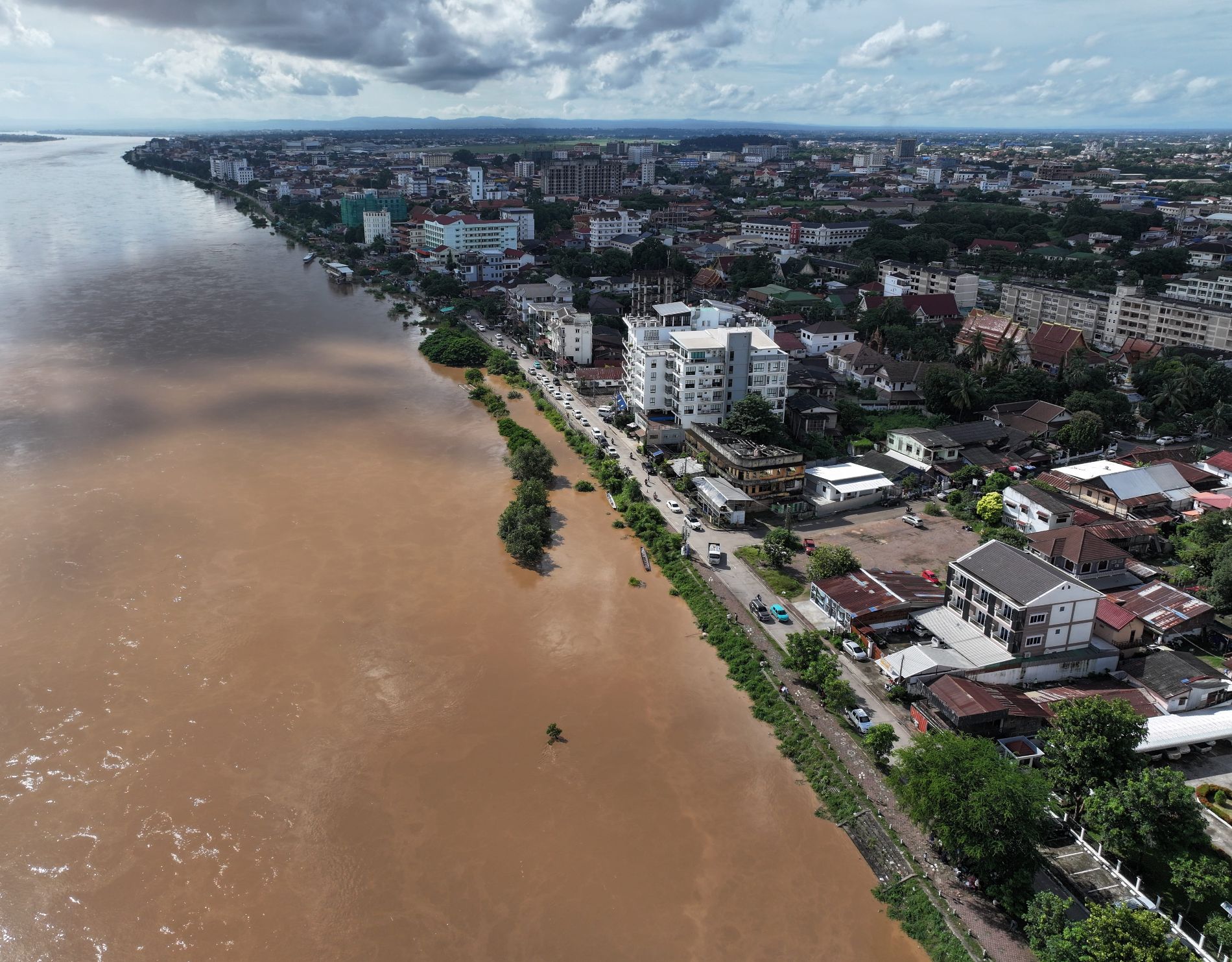
GIDRM is supporting the “Transboundary Water Cooperation in the Lower Mekong Basin III” (TWC III) project to strengthen data analysis at the Mekong River Commission (MRC). The Lower Mekong River Basin (LMB) possesses vast resources that play a central role in the livelihoods of the communities living in the region, which covers parts of northeastern Thailand and south Vietnam and almost the entire countries of Laos and Cambodia.
Climate-related hazards, anthropogenic stressors, and their cumulative and cascading effects are putting pressure on the LMB ecosystem. They endanger the livelihoods of communities, especially the most vulnerable ones, who are facing increasing risks. Hence, significant challenges arise in monitoring and forecasting their socio-economic and environmental impacts across the LMB.
The MRC has been managing regional cooperation since 1995 and supports a basin-wide planning process for ensuring a sustainable future for the Mekong and its communities. It is one of two regional organisations that BMZ works with in Asia according to its reform plan (BMZ 2026).
Through its river monitoring facilities, the MRC collects data related to hydrology, sediment transport, aquatic ecology, water quality, and fisheries along the Mekong River and its tributaries. The data is used to inform decision-makers and stakeholders on the development, utilisation, conservation, and management of the basin’s water resources. However, the available data remains underutilised as most analyses are still carried out within individual disciplines. This limits knowledge generation regarding the root causes, drivers, and impacts of environmental dynamics on the population in the LMB.
The regional GIZ project TWC III strengthens the institutional capacities of the MRC to address climate change impacts, while supporting river monitoring and the implementation of transboundary projects for flood and drought management. To enhance impact-based decision-making, TWC III – together with GIDRM – aims to extend the analysis of river monitoring data through an integrated, multi-disciplinary, IT-enabled data analysis approach that supports socio-economic and ecological impact-based assessments and forecasting for the LMB.
Moreover, GIDRM has been supporting the development of a roadmap to guide the operationalisation of integrated data analyses at MRC, which would become part of the MRC Data and Information System. GIDRM will help collect data by MRC to monitor impacts of environmental changes and forecast impacts of flood and drought on the livelihoods and economic reality of the population along the river. The work on impact-based forecasting for flood and drought will address questions related to the data systems and processes required, including the development of a prototype application.
© GIDRM/GIZ
If the capacities of the MRC are strengthened in this way, the findings of the integrated data analyses will support strategic, evidence-based decision-making for implementing MRC’s core functions and communicating justified measures to prevent or reduce risks to member countries.
Pakistan
Over the past months, our work on risk-informed development in Pakistan has continued to gain momentum, increasingly translating into stronger partnerships and practical implementation across sectors and levels of government.
A major focus this year was advancing risk-informed public investment and budgeting. Through closer collaboration with the Participatory Local Governance (PLG) project and provincial partners, risk considerations are being embedded into planning and financial decision-making processes – helping safeguard development investments against climate and disaster risks.
With new colleagues joining in the areas of public financial management and governance, the GIDRM team expanded its technical expertise and strengthened its ability to support risk-informed approaches across the wider portfolio of GIZ Pakistan. At the same time, shared advisory roles across projects continued to foster internal collaboration, ensuring that risk-informed perspectives are increasingly integrated across sectors - from governance and social protection to economic development.
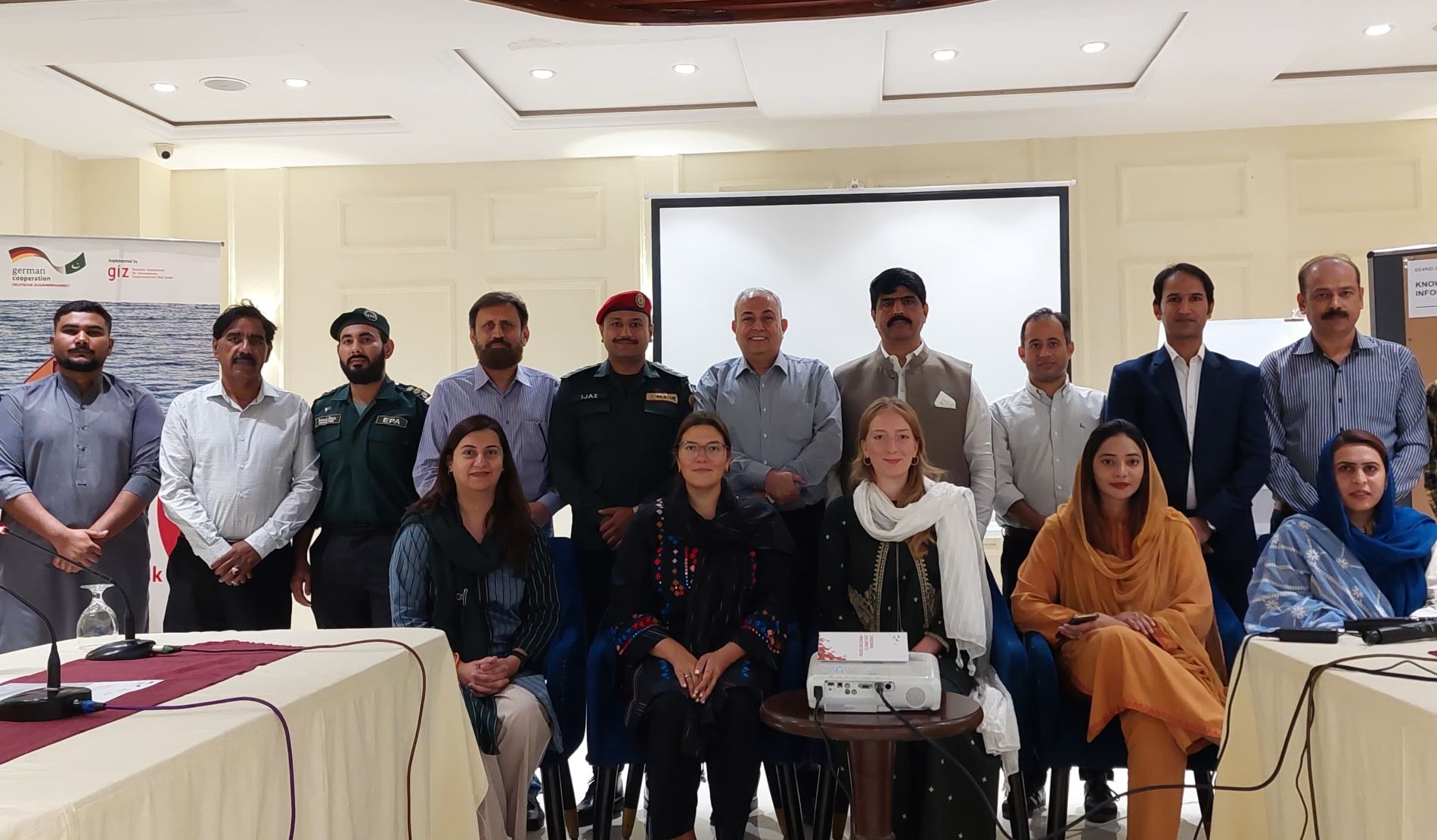
Another milestone was the establishment of a shared advisory position with the Planning Commission of Pakistan. This collaboration opens new opportunities to support national processes aimed at integrating climate and disaster risk information into investment planning while strengthening the strategic partnership between GIZ and the Planning Commission. At the same time, outreach activities expanded to include academic and youth engagement. Interactive sessions with students from the Beaconhouse School highlighted the importance of building awareness across generations and strengthening future resilience thinking.
© GIDRM/GIZ
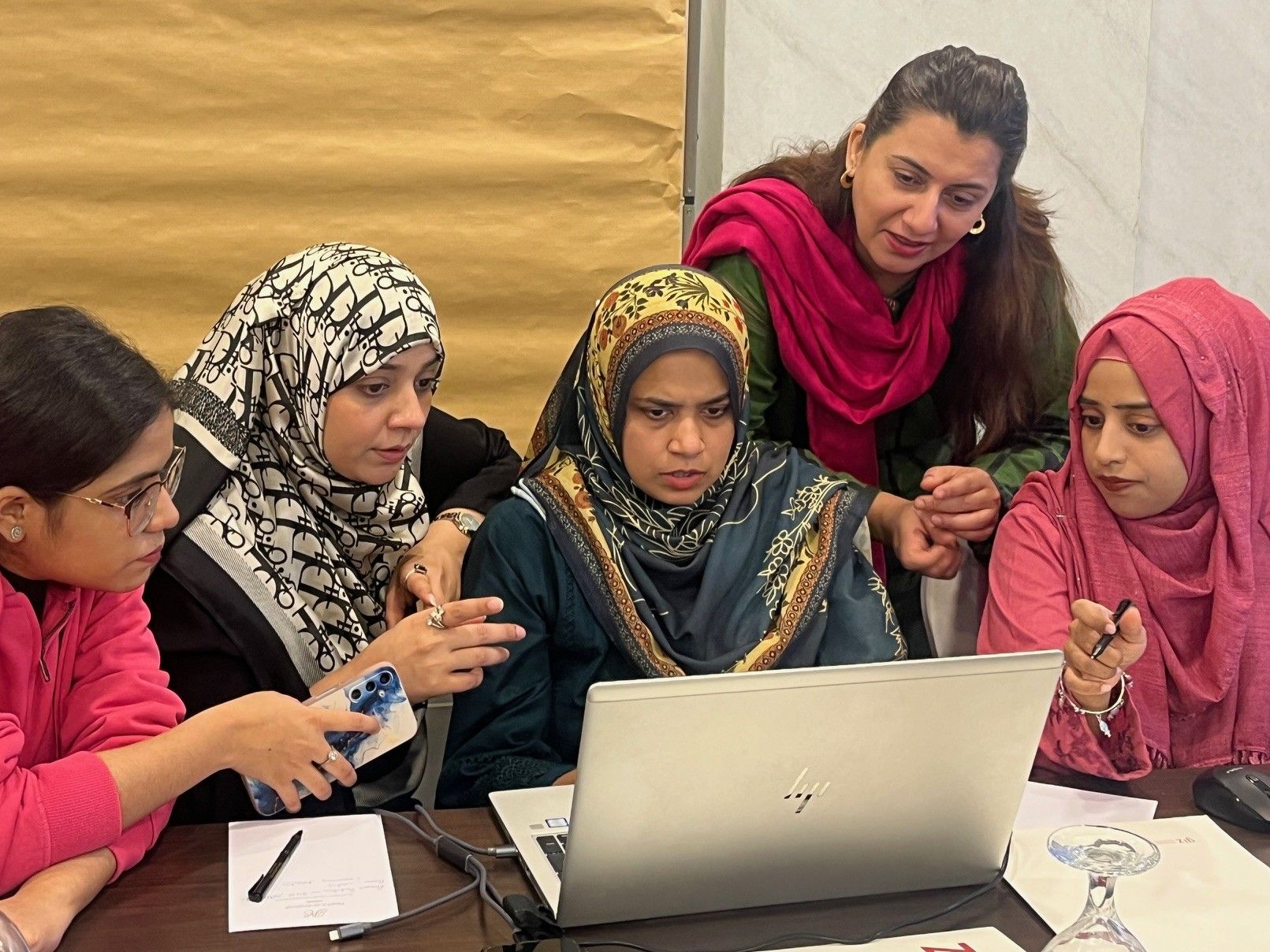
Moving from Dialogue to Practice: Engagement with provincial and district partners intensified throughout the year, with workshops and technical exchanges in Islamabad, Swat, and Rahim Yar Khan helping translate systemic risk concepts into practical entry points for local planning and coordination. These discussions showed a clear trend: partners are increasingly looking for tools and implementation support to better connect disaster and climate risk management with sectoral development priorities.
© GIDRM/GIZ
New partnerships also emerged beyond the public sector. Representatives from the textile industry participated in a Climate Expert Tool training-of-trainers, sparking discussions on climate risks, adaptation measures, and business opportunities in the context of a changing climate. Several companies expressed strong interest in continuing the exchange and exploring practical measures.
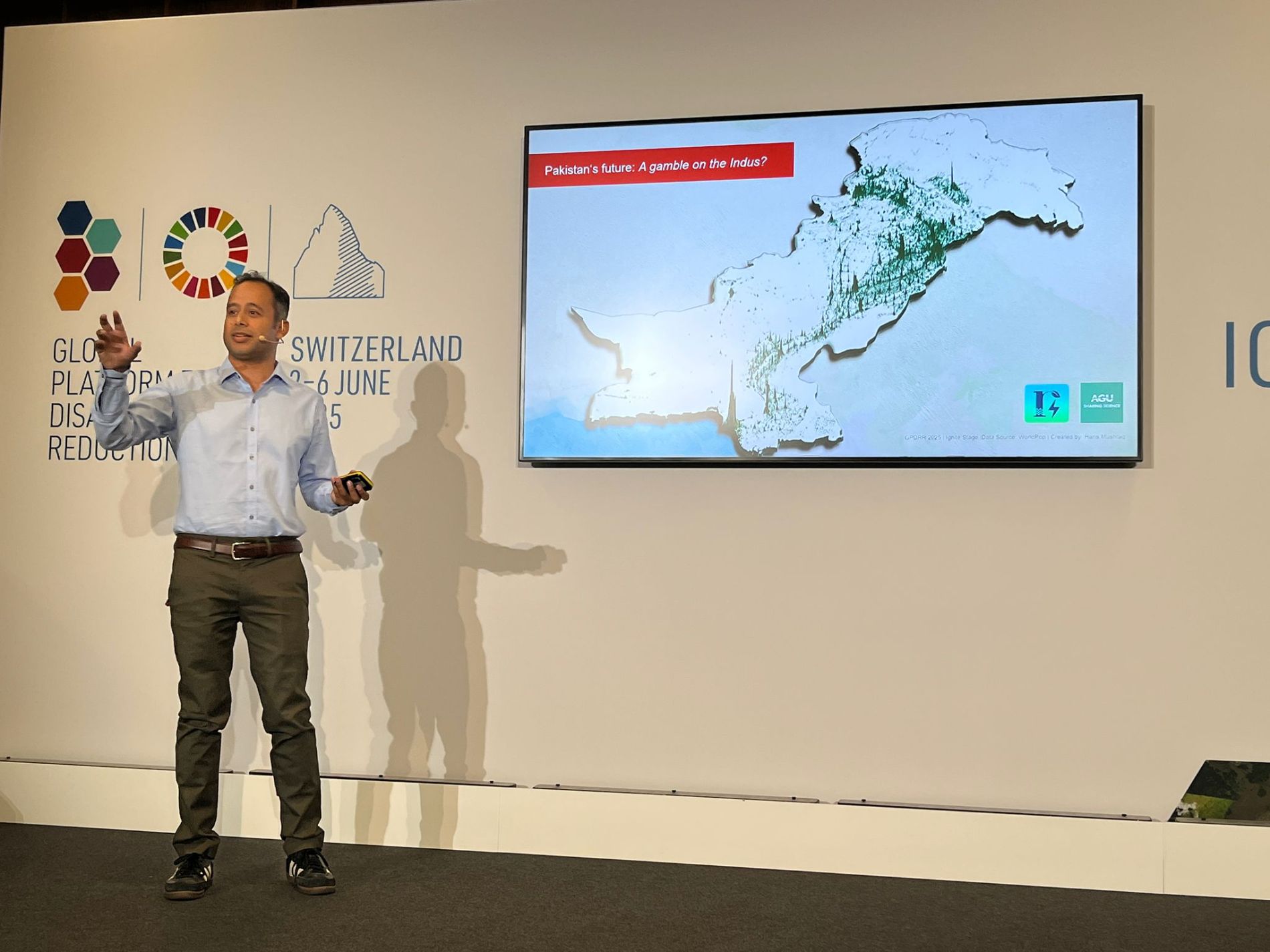
Connecting Pakistan’s Experience to Global Discussions: The year also offered multiple opportunities to link Pakistan’s experiences with international processes. Work from the district level - particularly from Rahim Yar Khan - was featured at the Ignite Stage of UNDRR’s Global Platform for Disaster Risk Reduction in Geneva, Switzerland, as an example of how systemic risk approaches can be operationalized in practice.
© GIDRM/GIZ
Team members further contributed to knowledge exchange through engagements at the Sustainable Development Conference, the Pakistan Water Week, and regional discussions on loss and damage in Asia. Additionally, a study on human mobility in urban contexts of climate and disaster risk has been initiated, drawing insights from Peshawar and Haripur. The study reflects a growing recognition that climate and disaster risks increasingly intersect with urban development and migration dynamics.
Looking Ahead: The focus now moves further toward implementation – embedding climate and disaster risk considerations into planning, budgeting, and investment decisions across sectors.
Southern African Development Community – SADC
GIDRM together with Transboundary Water Management (TWM) programme identified activities in the regional water sector to minimise risk creation and foster resilience of people and infrastructure. Implementation began in October 2024, achieving the following:
- DRM approaches were highlighted in the end-of-term review of the SADC Regional Strategic Action Plan for the water sector, emphasising the need to mainstream DRR approaches in Transboundary Water Management.
- The SADC Secretariat’s Water Division’s review of the regional Water Research Agenda identified climate resilience and disaster management as priorities under infrastructure, development, and water resource management.
- Risk components (hazard, exposure, and vulnerability) were included in the Terms of Reference for the Orange-Senqu River Commission (ORASECOM) Integrated Water Resource Management Plan, covering Botswana, Lesotho, Namibia, and South Africa.
- Water Sector dialogues raised awareness of DRM importance and the cost of inaction, encouraging political and sectoral buy-in.
- GIDRM contributed to a financing agreement with IHE-Delft Institute on understanding the benefits of transboundary water cooperation, including a white paper on Water, Peace & Security, providing technical quality assurance.
- GIDRM supported the conceptualisation of TWM Phase VI through an appraisal mission, presenting the INFORM Subnational Risk Model as a DRM-tool and highlighting the need to further mainstream disaster risk reduction.
© GIDRM/GIZ
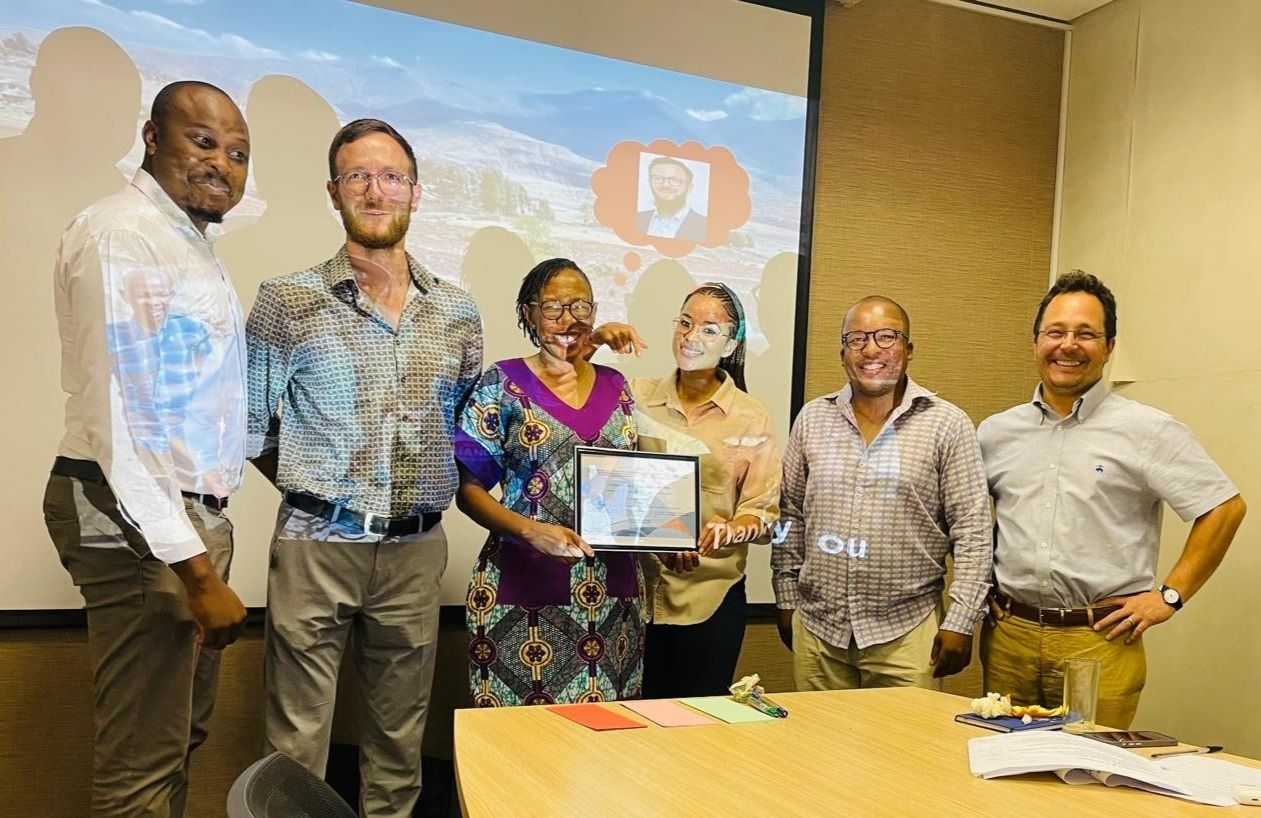
Strengthening Resilience in Southern Africa’s Transfrontier Conservation Areas (TFCAs): On February 2026, over 100 representatives from TFCAs, River Basin Organizations (RBOs), and DRM institutions convened for a regional webinar under the 2023-2033 SADC TFCA Programme. TFCAs are collaborative conservation initiatives on Wildlife Conservation and Law Enforcement, which span international borders to enable neighbouring countries to jointly manage shared natural and cultural resources. The SADC TFCA Programme aims to build a functional and integrated network where resources are co-managed sustainably and serve as foundations for economic development, human well-being, and resilience. Mainstreaming DRM into TFCA planning ensures conservation and development decisions are informed by current and future risks. The event was facilitated by the Climate Resilience and Natural Resources Management (CNRM) and GIDRM, in partnership with the SADC Secretariat.
The session, themed “Building Land/Seascape Resilience in Southern African TFCAs and RBOs: Lessons from the Greater Limpopo Basin Flood Emergency”, focused on strengthening integration and effective management of transboundary landscapes and seascapes. A key milestone of the session was the launch of a 60-minute online training course on mainstreaming DRM and DRR into TFCAs. Developed to support practitioners across Southern Africa, the course will guide stakeholders in embedding risk considerations into planning and decision-making.
The transboundary flood emergency that struck the Limpopo Basin in late January 2026 underscored the urgency of this work. Prolonged and intense rainfall led to widespread flooding across the basin, affecting the Great Limpopo TFCA, the Great Mapungubwe TFCA, and much of the river system coordinated by the Limpopo Watercourse Commission (LIMCOM). The floods impacted parts of South Africa, Zimbabwe, and Mozambique, causing massive human displacement, loss of life, damages to homes and agricultural lands. The event demonstrated the interconnected nature of shared river basins: upstream conditions directly influence downstream impacts, requiring coordinated, cross-border responses, and emphasised the lessons highlighted during the webinar on transboundary risk management.
Thank you for reading!